Outfield Map and Navigation Guide
Procedural grass does not forgive wandering — learn to read the field.
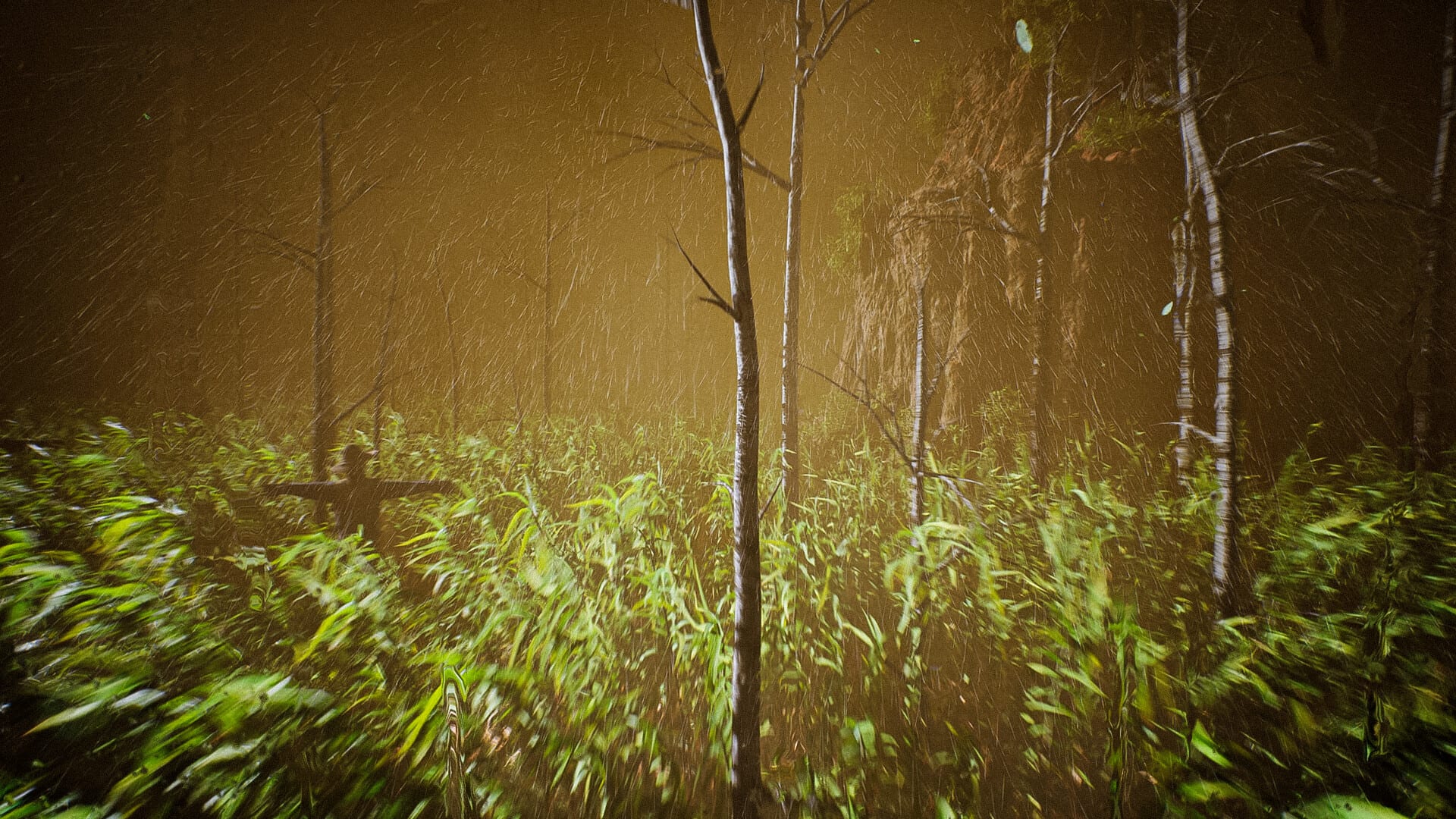
Every Outfield run generates a unique procedural map with its own obstacles, scarecrow placements, and atmosphere. There is no single correct path you can memorize forever. Instead, strong players learn navigation habits: how to mark landmarks, build loops that feed XP, and always keep a quiet exit when the sound-hunting enemy responds to their mistakes.
This guide focuses on moving through tall grass efficiently without turning navigation into noise. Combine it with Day, Night and Weather for visibility planning and Stealth and Sound for when to stop moving entirely.
What procedural means in practice
Procedural generation here is not just random scarecrow dots. Layout, obstacles, weather, and day/night all roll together each run. You might get dense fence lines one attempt and wide open lanes the next. The hunter still hears you the same way — only the geometry changes.
That implies three rules:
- Never assume last run’s route works again.
- Invest the first minutes in scouting, even if it delays your first scarecrow.
- Design loops, not straight lines, so you can bail mid-chain.
If you are brand new, read Getting Started first, then return here before you push for longer records on Survive Longer.
Landmark-first navigation
Because night reduces vision, landmarks are your map. During day, identify features that survive low light:
- Fence corners and gate gaps — natural choke points to avoid or exploit.
- Elevation shifts — ditches, ridges, or paths where grass height changes footstep feel.
- Distinct scarecrow clusters — treat a group as a district name (“north trio”) for callouts.
- Environmental props — trailers, sheds, or unusual props hinted in exploration guides.
Walk the perimeter once when safe. Players who skip scouting often panic-rotate at night and double back through noisy brush, which is worse than taking a longer one-way loop.
Building XP loops
Scarecrow destruction feeds XP and upgrade milestones covered in Scarecrow and XP. Navigation turns that into a route plan:
- Clockwise vs counterclockwise — pick a direction and stick to it until the hunter pressures you.
- Two-point bail rule — never commit to a third scarecrow without a silent path to a fallback landmark.
- Upgrade gates — if you are one kill from a level-up, finish the loop on quieter legs before crossing open ground.
Rain from Day, Night and Weather can widen loops temporarily. Use wet windows to connect districts, then tighten the loop when the sky clears.
Open ground vs cover lanes
Tall grass is both cover and trap. Open lanes let you see farther in daylight but expose long movement noise. Tight lanes muffle direction but hide obstacles until you are on top of them.
General heuristics:
- Cross open ground during rain or daylight, never during a dry night sprint unless upgrades demand it.
- Slice diagonally only when you have visual confirmation of the exit — diagonal cuts cause stuck animations and extra steps in many horror fields.
- One gun discipline — if you must shoot, pre-plan the post-shot escape path before you pull the trigger.
Upgrade choices from Upgrades and Builds that boost speed or stamina change which lanes are viable. After launch, compare mobility picks on the Tier List.
When the hunter redirects your route
The enemy evolves over time, becoming faster and more aggressive the longer you live. Navigation mid-run is reactive:
- Stop generating noise — sometimes freezing beats running.
- Break line of travel — do not continue the same loop direction if pressure came from ahead.
- Use weather — move during rain if you must reposition.
- Abandon greed — skip optional loot from Loot and Items if the path pulls you back through a hot zone.
Audio tells you when to cut a loop short. Revisit Stealth and Sound if you struggle to distinguish hunter pressure from ambient rain.
Secrets and off-route navigation
Optional areas reward curious players but punish blind detours. Secrets and Exploration covers what to look for; navigation-wise, treat secrets as branch quests:
- Mark the entrance landmark before you commit.
- Never enter a secret pocket without knowing which direction returns to your main loop.
- Prefer secrets during day or rain, not dry night unless you are ahead on upgrades.
Getting lost in a side area is a common cause of death when the cycle turns to night unexpectedly.
Controls and orientation aids
Smooth movement starts with comfortable binds. Check Keybinds for strafe-heavy setups that help micro-adjust through fence gaps without sprint spam. Audio Settings help you orient when visual range shrinks — stereo cues often hint which side of your loop the threat favors.
There is no substitute for a mental map, but reducing input friction keeps your eyes on the field.
Post-run review habit
After each death, ask:
- Did I scout enough in the first five minutes?
- Was my loop too long for the current night or weather?
- Did I cross the same choke twice, doubling noise?
Log patterns in Tools once community templates exist. Until then, a simple note of “rain start time” and “death landmark” accelerates improvement faster than repeating the same wander.
Staying current
Outfield launches July 29, 2026 on Steam for Windows with English and French interfaces. Map generation weights, obstacle density, or night readability may change in patches — follow Updates and we will adjust routing advice here. Official store info lives on Official Links.
Navigation is the skill that makes every other guide work. Learn the field’s language once, and every future run — no matter the seed — gets easier.
Frequently Asked Questions
Quick answers to the most common questions.
Is there a minimap in Outfield?
Official materials emphasize exploration and procedural fields rather than a traditional minimap. Expect landmark-based navigation and audio cues instead.
Can I memorize one best route for all runs?
No. Procedural maps change layout and conditions each run. Use repeatable habits like perimeter scouting and loop planning instead of one fixed path.
How do I navigate safely at night?
Scout landmarks during day, keep loops short, avoid open sprints, and rely on audio settings that preserve hunter cues. See Day, Night and Weather for details.
Should I explore the map edge first or rush scarecrows?
Most players benefit from a quick edge scout before loud XP chains. Rushing scarecrows without landmarks often causes panic routing when vision drops.
What if I get lost during a secret area detour?
Stop moving, listen for hunter pressure, and backtrack to the entrance landmark you marked. Secrets guide covers when detours are worth the risk.
Will navigation tips change after launch?
Yes, if patches alter generation or visibility. We update this page when Updates confirms map-related changes.